Videos and stories from the world of Travel, History, Food and Culture.
All our programs are made by Humans.
Slide 1
Empire Builders: 45 X 1 hr episodes
We visit the iconic sites of the world’s great empires and explore the fascinating stories behind them.
Slide 2
Empire Builders: The Spanish Empire Season 1
Until the 15th century Spain had not made it’s mark as an empire, instead being the object of conquest itself, first by the Romans and then by the Moslem Moors who both occupied much of the country for several hundred years.
Slide 3
Empire Builders: The Inca Empire Season 2
The Inca were one of the world’s largest civilisations of the late Middle Ages until their conquest by the Spanish in 1533 in modern day Peru and surrounding countries.
Slide 4
Empire Builders: Los Angeles: Stories from the City: 2 X 1hr – Season 3
Los Angeles, one of the largest cities in the United States’ and the world, has a unique story.
Slide 5
Ottomans VS Christians: 6 X half HR
The Mediterranean may be a beautiful tourist destination today but in the 16th Century it was the central arena for an almighty power struggle between Christian Europe and the formidable Muslim Ottoman Empire that lasted for over four centuries.
Slide 6
Travelling in the 70s – Celebrate a golden decade in travel: 2 X 1 hr
The hair was big, the outfits were hot, but even bigger and hotter were the planes, trains, fast cars and the Space age – this was traveling in the 1970s.
Slide 7
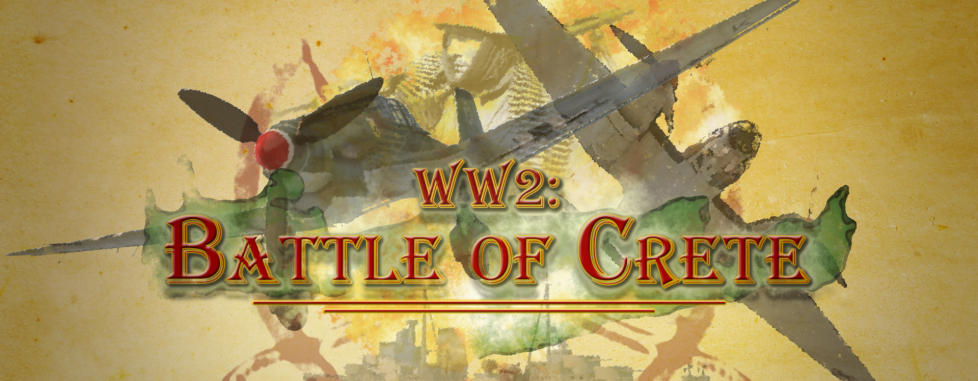
Ultimate Blitzkrieg – The WW2 Battle of Crete
This 3x1hr documentary tells the story of the famous WW2 battle and the four year German occupation of the Greek island of Crete that followed.
Slide 8
Hope & Fear: How Pandemics Changed the World
This documentary explores the impact on our planet of viral diseases from throughout the ages.
Slide 9
Watch Episodes…
There are plenty of ways to plug into Pilot Productions TV and enjoy your favourite episodes – again and again!
Slide 10
Study Guides
Learners, check out our collection of Study Guides from Pilot Productions! We have guides covering a range of topics from history to geology
Destinations
Discover every country in the world with facts, stories, insider tips and videos by Pilot!
To provide the best experiences, we use technologies like cookies to store and/or access device information. Consenting to these technologies will allow us to process data such as browsing behaviour or unique IDs on this site. Not consenting or withdrawing consent, may adversely affect certain features and functions.
Functional
Always active
The technical storage or access is strictly necessary for the legitimate purpose of enabling the use of a specific service explicitly requested by the subscriber or user, or for the sole purpose of carrying out the transmission of a communication over an electronic communications network.
Preferences
The technical storage or access is necessary for the legitimate purpose of storing preferences that are not requested by the subscriber or user.
Statistics
The technical storage or access that is used exclusively for statistical purposes.The technical storage or access that is used exclusively for anonymous statistical purposes. Without a subpoena, voluntary compliance on the part of your Internet Service Provider, or additional records from a third party, information stored or retrieved for this purpose alone cannot usually be used to identify you.
Marketing
The technical storage or access is required to create user profiles to send advertising, or to track the user on a website or across several websites for similar marketing purposes.
To provide the best experiences, we use technologies like cookies to store and/or access device information. Consenting to these technologies will allow us to process data such as browsing behaviour or unique IDs on this site. Not consenting or withdrawing consent, may adversely affect certain features and functions.
Functional
Always active
The technical storage or access is strictly necessary for the legitimate purpose of enabling the use of a specific service explicitly requested by the subscriber or user, or for the sole purpose of carrying out the transmission of a communication over an electronic communications network.
Preferences
The technical storage or access is necessary for the legitimate purpose of storing preferences that are not requested by the subscriber or user.
Statistics
The technical storage or access that is used exclusively for statistical purposes.The technical storage or access that is used exclusively for anonymous statistical purposes. Without a subpoena, voluntary compliance on the part of your Internet Service Provider, or additional records from a third party, information stored or retrieved for this purpose alone cannot usually be used to identify you.
Marketing
The technical storage or access is required to create user profiles to send advertising, or to track the user on a website or across several websites for similar marketing purposes.